AI Enabled SEO Services that work in 2026
Ranking. Traffic. Leads. Sales.
Unlock Your Website Potential




Why SEO Services Are Essential for All Businesses?
SEO services are crucial for all businesses as they enhance online visibility, drive organic traffic, and improve search engine rankings. With more consumers turning to search engines for information, businesses need a strong SEO strategy to stay competitive, attract targeted audiences, and boost conversions and revenue.

Increased Online Visibility
SEO improves your website's ranking on search engines, making it easier for potential customers to find your business online.

Cost-Effective Marketing
Compared to paid ads, SEO offers a long-term strategy to drive organic traffic without ongoing costs.

Credibility and Trust
Higher search rankings build trust and credibility among consumers, as users often perceive top-ranked websites as more reliable.

Targeted Traffic
SEO targets users actively searching for products or services related to your business, resulting in higher conversion rates.
Competitive Advantage
Businesses investing in SEO stay ahead of competitors by capturing more market share and adapting to changing trends.
Improved User Experience
SEO focuses on website speed, mobile-friendliness, and easy navigation, enhancing the overall user experience.
Local Search Optimization
Local SEO helps businesses attract nearby customers, crucial for brick-and-mortar stores and service providers.
Long-Term Results
Unlike paid campaigns, SEO provides sustainable results that continue to drive traffic and sales over time.
Measurable ROI
SEO performance can be tracked through analytics, helping businesses refine their strategies for better results.
Brand Awareness
Ranking for relevant keywords increases brand exposure, making your business more recognizable in the market.
Explore Our Comprehensive Range of SEO Services
Our extensive SEO services are designed to address every aspect of your digital presence. From technical SEO and keyword optimization to content creation and backlink strategies, we offer a complete solution. With our expertise, we ensure that every element of your SEO strategy is tailored to drive sustainable growth and measurable results.
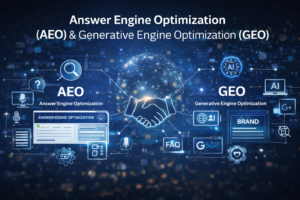
Answer Engine Optimization (AEO) & Generative Engine Optimization (GEO)
AEO and GEO focus on making your brand visible where modern searches actually happen inside AI answers, featured snippets, and voice results. AEO ensures your content is structured to directly answer user queries across Google, voice assistants, and zero-click searches using clear formatting, FAQs, and schema markup. GEO goes a step further by optimizing content for AI-driven platforms like ChatGPT and Google SGE, helping your brand get cited, summarized, and recommended. Together, AEO and GEO future-proof your digital presence by building authority, improving AI visibility, and driving high-intent traffic from next-generation search experiences.

SEO for Small Businesses
SEO for small businesses focuses on boosting local visibility and attracting targeted traffic to smaller, niche websites. The approach involves keyword research specific to the business’s industry, optimizing on-page elements, local citations, and Google My Business listings. The goal is to improve search rankings, increase online visibility, and drive quality leads while working within limited budgets. Small businesses benefit from tailored strategies that help them compete with larger players in local markets, ensuring they show up in relevant search results and grow their customer base sustainably.

Ecommerce SEO
Ecommerce SEO is aimed at improving the visibility of online stores in search engine results. This includes optimizing product pages, category pages, site structure, metadata, and implementing strategies like schema markup to enhance rich snippets. Keywords are selected based on user intent to drive high-quality traffic that is more likely to convert into sales. Ecommerce SEO also focuses on technical aspects like website speed, mobile responsiveness, and secure payment systems to create a seamless shopping experience. The goal is to increase organic search traffic, improve conversion rates, and generate more revenue from search engine traffic.

B2B SEO
B2B SEO is tailored to businesses targeting other businesses as their customers. It focuses on optimizing content and strategies that appeal to decision-makers, such as creating authoritative blog content, improving website navigation, and leveraging LinkedIn and industry-specific platforms. Keywords are chosen based on industry trends, buyer intent, and lead generation. The strategy also involves enhancing website trust signals, such as case studies and client testimonials, and aligning SEO efforts with a longer sales cycle. The primary goal is to improve visibility in search engines, generate qualified leads, and enhance the company’s online authority in its specific niche.

SaaS SEO
SaaS SEO focuses on optimizing the online presence of Software as a Service companies. This involves targeting high-value keywords around software solutions, optimizing landing pages for conversions, and creating valuable content like tutorials, case studies, and customer testimonials. SaaS SEO strategies also focus on reducing churn by targeting long-tail keywords, ensuring a seamless user experience, and improving product pages. The goal is to generate high-quality traffic, attract potential clients who are in the consideration phase, and drive conversions through a combination of content marketing and effective on-page optimization.

Enterprise SEO
Enterprise SEO is designed for large businesses with complex websites and multiple departments or locations. This approach focuses on scalability, managing thousands of pages, and improving the technical infrastructure of the website for optimal performance. Strategies include advanced keyword research, implementing schema markup, improving site architecture, and enhancing mobile optimization. Content strategies for enterprise SEO target both local and global audiences. The goal is to improve organic visibility, streamline workflows, optimize for a wide range of keywords, and ensure that large-scale websites can achieve high rankings without compromising on speed, security, or user experience.
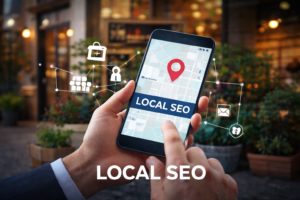
Local SEO
Local SEO focuses on optimizing a business’s online presence to attract local customers. This involves optimizing Google My Business profiles, obtaining local backlinks, and targeting location-based keywords. Local SEO also includes ensuring the website’s NAP (Name, Address, Phone Number) consistency across directories and review platforms. The strategy aims to increase visibility in local search results, especially in “near me” searches, helping businesses appear in Google’s local pack and map results. The goal is to drive more foot traffic, local leads, and conversions for businesses with physical locations or those serving specific geographical areas.

International SEO
International SEO is designed to help businesses expand their online presence across multiple countries and languages. This involves targeting the right keywords for each market, adapting content to fit local languages and cultures, and optimizing for international search engines like Baidu or Yandex. The strategy includes managing multiple versions of the website (ccTLDs, subdirectories, or subdomains) and ensuring that each version of the site is properly geo-targeted. The goal is to increase visibility and traffic from international audiences, enhance user experience for diverse markets, and achieve better rankings on global search engines.
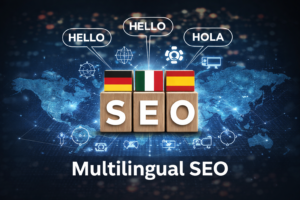
Multilingual SEO
Multilingual SEO focuses on optimizing websites for users who speak different languages. This strategy involves translating content and ensuring that each language version of the site is properly optimized with relevant keywords. Multilingual SEO also requires the proper implementation of hreflang tags, which help search engines understand the language and regional targeting of specific content. The goal is to improve visibility and rankings in multiple regions, ensuring that each language version of the website appears in search results for its respective audience, driving targeted traffic and improving user experience.

Technical SEO
Technical SEO refers to the behind-the-scenes aspects of SEO that affect a website’s crawlability, indexability, and overall performance. It involves optimizing website speed, mobile-friendliness, secure connections (HTTPS), and site structure for better user experience and search engine ranking. Key elements include fixing broken links, optimizing URL structure, implementing XML sitemaps, and improving internal linking. Technical SEO also addresses issues like duplicate content, slow loading pages, and ensuring that search engines can crawl and index the website effectively. The goal is to create a seamless website experience that search engines can easily understand and rank, leading to better visibility.

SEO Consultancy
SEO consultancy involves providing expert guidance and strategic recommendations to businesses looking to improve their online presence. Consultants assess the current SEO status, identify opportunities for improvement, and devise a customized SEO strategy based on the business’s goals. They offer insights on keyword research, content optimization, backlink strategies, and technical improvements. SEO consultants also help with ongoing performance tracking, analysis, and adjustments to ensure that SEO efforts are delivering the desired results. The goal of SEO consultancy is to empower businesses with the knowledge and tools to implement effective SEO strategies and achieve sustainable growth.
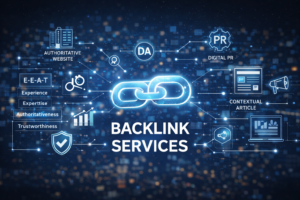
Backlinks Services
Our Backlink Services are built for modern SEO, focusing on authority, relevance, and long-term trust, not volume or shortcuts. We earn high-quality backlinks from credible, niche-relevant websites that strengthen your domain authority and support E-E-A-T (Experience, Expertise, Authoritativeness, Trustworthiness) signals. Every link is placed through ethical outreach, editorial mentions, digital PR, and contextual content—aligned with Google’s latest guidelines. We prioritize real traffic potential, brand credibility, and semantic relevance to ensure links contribute to rankings, visibility, and AI-driven search results. The outcome is a clean, sustainable backlink profile that boosts search performance while protecting your brand from algorithm risks.
Unlock Success with Our Proven SEO Strategy for Maximum Growth
Our proven SEO services approach integrates each crucial step—from project kickoff and resource allocation to competitor research, keyword targeting, and complete website audits. With strategic on-page optimizations, quality backlink creation, and transparent monthly reporting, we ensure consistent growth in search rankings, organic traffic, and lead generation for sustainable business success.
Process
Project Kickoff
The Project Kickoff marks the official start of the SEO campaign. This phase involves understanding the client’s business goals, target audience, and key performance indicators (KPIs). It begins with a detailed meeting to discuss objectives, timelines, and deliverables. Setting clear expectations helps align strategies with business goals. This stage also includes gathering access to important platforms like Google Analytics, Google Search Console, and the website’s CMS. A well-structured kickoff ensures a seamless workflow and establishes communication channels for progress updates. Ultimately, this phase lays the foundation for a successful SEO strategy, enabling measurable growth in search engine rankings and website traffic.
Knowledge Transfer
Knowledge transfer is the process of sharing relevant information about the client’s business, industry trends, target audience, and past marketing efforts. This phase ensures that the SEO team fully understands the brand’s value proposition, products, services, and key messaging. It involves reviewing historical data, existing marketing strategies, and technical aspects of the website. Effective knowledge transfer bridges gaps between client expectations and execution, aligning SEO strategies with business goals. This collaboration is vital for crafting personalized SEO campaigns that resonate with the target audience and drive organic growth, improving search visibility and user engagement.
Resource Allocation
Resource allocation involves assigning the right team members and tools to specific tasks within the SEO project. This may include SEO strategists, content writers, web developers, and link-building experts. Efficient distribution of resources ensures timely execution of tasks like technical audits, content creation, and outreach campaigns. By leveraging specialized tools for keyword research, competitor analysis, and performance tracking, the team can focus on high-impact activities. Proper resource allocation maximizes productivity and ensures that all aspects of the SEO strategy are effectively handled, contributing to consistent improvements in organic rankings and overall website performance.
Competitor Research
Competitor research identifies key players in the industry and analyzes their SEO strategies. This includes evaluating competitors’ keyword usage, backlink profiles, content quality, website structure, and online visibility. By understanding what competitors are doing well, the SEO team can uncover opportunities to outperform them. This analysis highlights gaps in content, backlink acquisition, and technical SEO that can be exploited for growth. Implementing insights from competitor research allows for the creation of data-driven strategies aimed at surpassing competitors in search engine rankings, increasing website traffic, and capturing a larger market share.
Keyword Research
Keyword research is a critical component of SEO that identifies the search terms potential customers use to find products or services. This process involves analyzing search volume, keyword difficulty, user intent, and competition. Targeting the right mix of short-tail and long-tail keywords helps in creating optimized content that ranks well and attracts relevant traffic. Effective keyword research ensures alignment between user queries and website content, leading to higher visibility in search engine results. Incorporating these keywords strategically across the site enhances organic reach, improves click-through rates (CTR), and drives quality leads to the business.
Complete Website Audit
A complete website audit involves a thorough analysis of a website’s technical health, on-page SEO, content quality, and user experience. This process identifies issues such as broken links, slow page loading speed, mobile-friendliness, duplicate content, and improper URL structures. The audit also examines metadata, internal linking, and schema markup. By addressing these issues, the website becomes more search-engine friendly, improving crawlability and indexability. Regular audits help in identifying areas for improvement, ensuring the website aligns with SEO best practices. This leads to enhanced rankings, better user engagement, and increased organic traffic.
On-Page Recommendation Sheet
The On-Page Recommendation Sheet is a detailed document outlining specific improvements for each webpage to enhance SEO performance. It covers elements like meta titles, descriptions, header tags, image optimization, URL structure, internal linking, and keyword placement. The recommendations ensure that each page aligns with SEO best practices and targets relevant keywords. Implementing these suggestions improves website structure, search engine crawlability, and user experience. An optimized on-page strategy directly impacts search rankings, driving more organic traffic and improving website conversions by making content more relevant and accessible to users.
Backlinks Creation
Backlink creation focuses on acquiring high-quality, relevant links from authoritative websites to improve domain authority and search rankings. This process includes strategies like guest posting, content outreach, broken link building, and business directory submissions. Quality backlinks act as votes of confidence, signaling to search engines that the website is trustworthy and valuable. A well-executed link-building strategy not only enhances domain credibility but also drives referral traffic. Building a diverse and natural backlink profile is essential for sustaining long-term SEO success, helping the website rank higher for competitive keywords and boosting organic growth.
Monthly Report/Deliverables
Monthly reports provide a comprehensive overview of SEO progress and performance metrics. These reports help clients track results and understand the impact of SEO efforts.
Ranking Report:
This report details keyword rankings in search engines, highlighting improvements and areas that need attention. It shows the progress of targeted keywords, helping evaluate the effectiveness of optimization efforts.
Traffic Report:
This report analyzes website traffic sources, user behavior, and conversions. It tracks organic visits, bounce rates, session duration, and user demographics, offering insights into audience engagement.
Activity Report:
The activity report outlines all SEO tasks completed during the month, including content updates, backlink acquisition, and technical fixes. It provides transparency and accountability, ensuring that agreed-upon deliverables are met.
These reports collectively offer valuable insights into SEO performance, enabling data-driven decision-making for future strategies.
Comprehensive SEO Packages Tailored to Drive Your Business Growth
Our SEO services package is designed to provide comprehensive solutions for businesses looking to boost their online presence. From keyword research and on-page optimization to technical audits and high-quality backlinks, our tailored approach ensures sustained growth. With transparent reporting and strategic insights, we help you achieve long-term digital success.
Basic Package
No. of Keywords – 30
Backlinks (per month) – 40
GMB – ✘
Standard Package
No. of Keywords – 30
Backlinks (per month) – 40
GMB – ✘
Advanced Package
No. of Keywords – 30
Backlinks (per month) – 40
GMB – ✘
Premium Package
No. of Keywords – 30
Backlinks (per month) – 40
GMB – ✘
What Our Client Saying